So, we’ve discussed how to use bicarbonate of soda, white vinegar, olive oil and lemons for our cleaning in our previous blog posts, but what about environmentally friendly cleaning tools?
We have the ingredients for the cleaning products but we need the right tools to do the cleaning properly too.
If you are looking to use more environmentally friendly cleaning tools then you’ve come to the right place!

According to the Mirror over half of Britain’s want to make eco-friendly changes but can’t afford to do so. However, many acknowledged there are some areas where they can still make a difference.
There has been a growing interest in finding environmentally friendly cleaning tools but finding environmentally friendly tools that are both affordable and effective can be a challenge!
So why not try making your own?
In this blog post, we will be telling you how you can make and grow your own environmentally friendly cleaning tools with little or no, creativity and/or cost!
Sustainable cleaning gives plenty of opportunities for up-cycling too. Taking old everyday items and repurposing them into a new lease of life, such as re-using spray bottles. This allows you to save money on cleaning tools and also reduce the waste you create.
There are many ways we can make, grow, reuse and do, to create environmentally friendly cleaning tools, let me tell you how…

The Loofah! Compostable Sponges:

Traditional sponges are made from synthetic materials that do not break down. But you can buy sponges made from plant-based materials which are biodegradable such as Loofah Sponges, Natural sea sponges, bamboo sponges and more. But did you know you can grow your own Loofah sponges here in the UK?
We grow our own loofah sponges here at Country Cleaners and we think it’s great!
Loofahs like warm sunny areas and well-drained soil, you should plant your loofah seeds in late March / early April and you can harvest your loofahs when they are fully mature.
The fruit should be light brown and dry, around 150 days after planting, you can cut the fruit off of the vine and peel away the outer layer to reveal the loofah sponge!
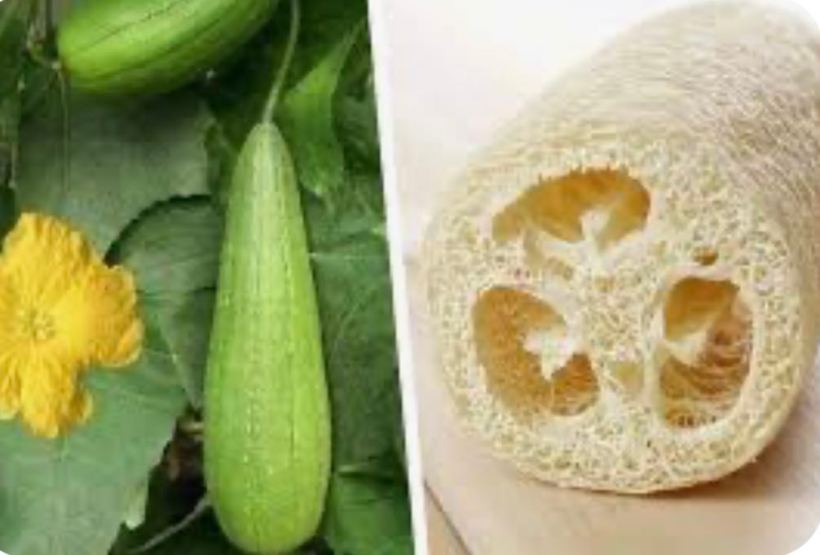
Wash the Loofahs residue and squeeze the water out well, allow the loofah to air dry. You can cut your loofah sponge into your desired sponge shapes and sizes. Once your loofah is dry, your Loofah sponge is ready to use!
You can use your loofah sponge to scrub showers, countertops, sinks, dishes and more. Loofah sponges can be cut up and binned into your compost bin at the end of their lifespan.
Cobweb Duster
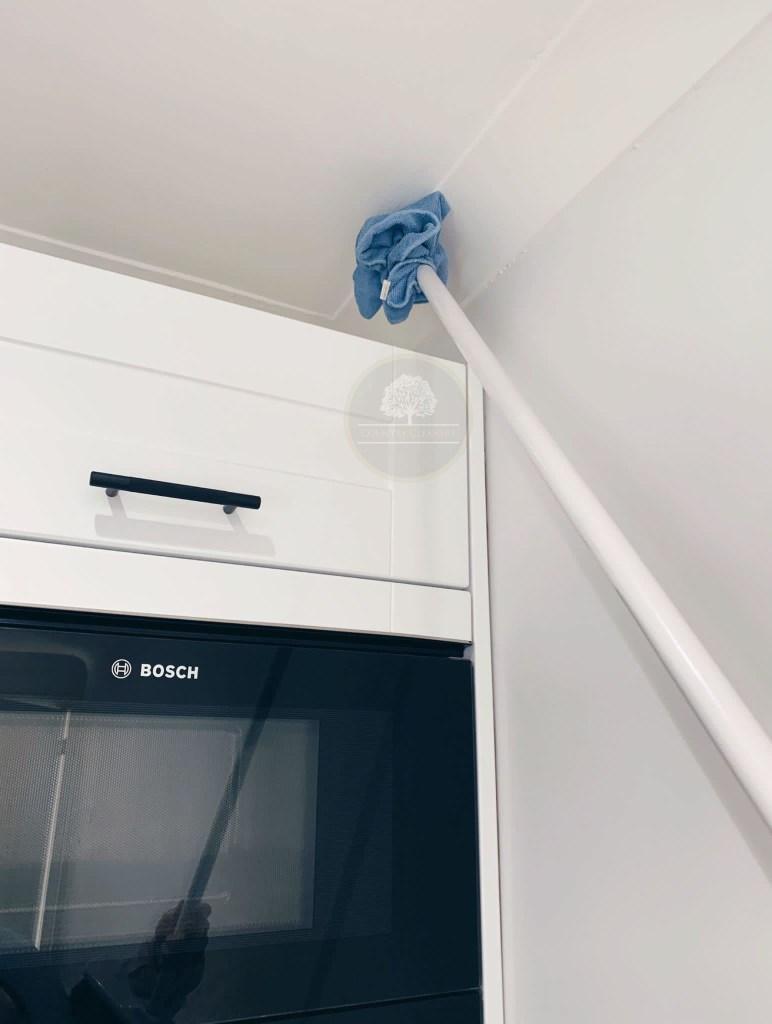
Planting your own loofah seeds may not be for you, so how about making your own cobweb duster instead?
Spring clean your home by wrapping a microfibre cloth around the end of a long handle such as a broom handle or mop pole, secure it tight with elastic bands and you’re ready to dust all those hard-to-reach places.
Use your leftover lemons as tools
Remember, as explained in our Use of Lemons edition cleaning tips and tricks blog post back in March, you can use half a Lemon and sugar as a scrubbing tool for cleaning those pans that are just too stubborn to clean or have lost their shine.
Cut a lemon in half and sprinkle some salt into the bottom of your pan.
Scrub the pan and salt using the cut side of your lemon. Rinse the residue away under the tap.

If you’re now thinking of growing your own loofahs, why not grow your own lemon tree too?
You can use the lemons not only in your kitchen cooking but you can use them to make your own cleaning products and tools too!
Let us know what you thought of this handy tip in the comments!
Re-use your toothbrushes

Toothbrushes are a great cleaning tool to get around taps, grout and other hard-to-reach places.
Instead of throwing your old toothbrush away how about giving it a new lease of life as a tool in your cleaning caddy?
Create your own reusable mop pads
The UK produces around 1 million tonnes of textile waste per year.
Once they are in a landfill, they can take hundreds of years to decompose and release greenhouse gases in the process.

If you own a flat mop and buy disposable floor pads why not consider making your own with your old towels?
Fold an old towel to double the layer and use your current mop pads as a guide to cut the shape you need for your flat mop.
Once you have your shape you can sew the two smaller sides, so the fold stays together with one large open edge.
Your flat mop pad is ready to slide onto your flat mop and use! You could even pop it in the washing machine after use, to be reused too!
Create your own cleaning cloths
Instead of purchasing disposable cloths to tackle dirty jobs such as cleaning your oven, why not store your old tea towels, t-shirts and towels to be used as cleaning cloths instead?
You can cut old fabric into squares to be easily stored and used as cleaning cloths.
Create your own dustpan

Now here’s a laugh…Brush but no dustpan? No problem!
Cut a plastic bottle such as an empty milk bottle in half and use one half as a dustpan.
Create your own radiator duster

If you have a long ruler at home you could make your own radiator duster!
Attach a microfibre cloth using rubber bands to the top of the ruler, your ruler duster should fit down the back of the radiator ready to dust and clean.
Iron cleaning tool
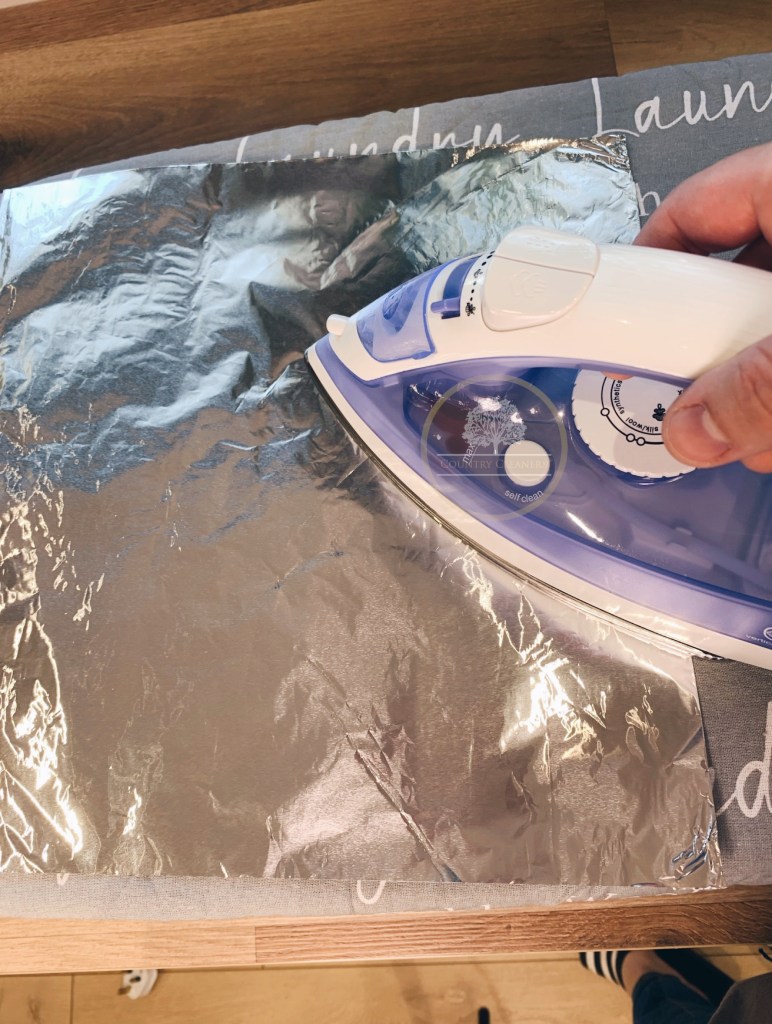
Over time, starch can build up on our irons plate. Before tackling that pile of ironing, try ironing a sheet of foil before you start on your clothes and bed linen to remove the starchy build-up.
Create your own delicates laundry bag
No delicates bag? No problem! Pop nylon tights or silk underwear inside a sock before putting them into the washing machine to protect them from snagging.
Make a Venetian Blind cleaning tool
This hack is simple. Turn an old or stray sock inside out and pull it over your hand, it’s the easiest way to dust and clean the blinds!
Replacing Your Dryer Sheets.
Toss those dryer sheets and make your own wool dryer balls! They do such a great job of softening your clothes, reducing wrinkles and fluffing up your laundry.
Supplies:
- Wool Yarn
- Old Pantyhose
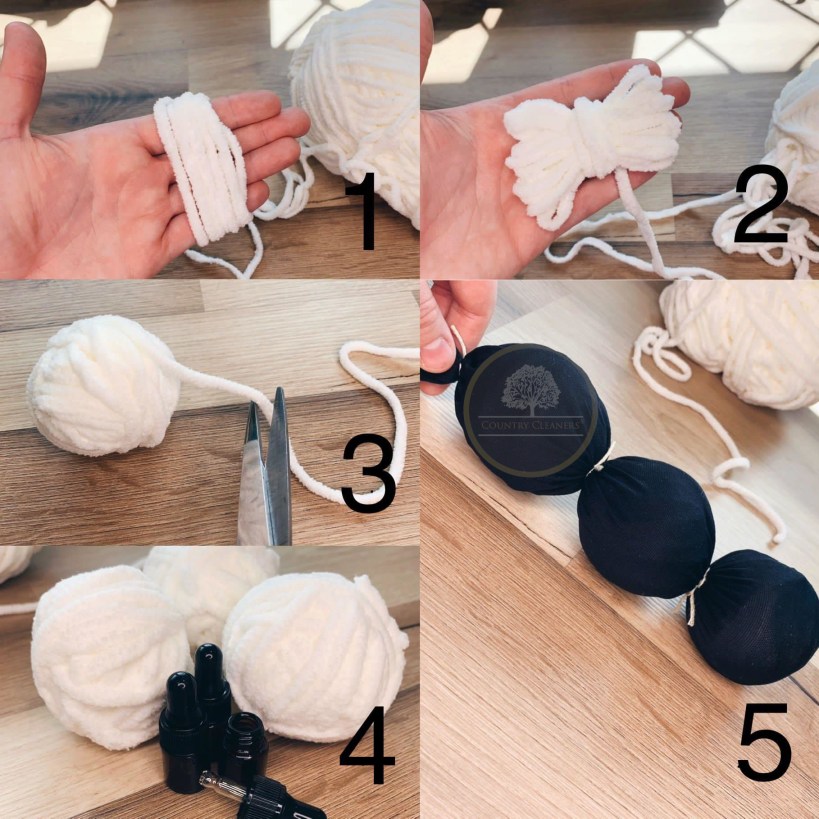
- – Begin by making a wool yarn ball by pulling the yarn around your four fingers, 10 times.
- – Slip the yarn off of your fingers and turn it 90 degrees, then wrap the yarn around the middle of the yarn loops.
- – Turn the yarn another 90 degrees and then wrap the yarn around the ball another 6 times. Continuing to turn the ball at 45-degree angles and wrapping it 6 times with the yarn. Make the balls a little larger than the size of a tennis ball.
- – To secure the end of the yarn, use scissors to pull up a section of the yarn and secure the end under it.
- – Put the woollen balls in one leg of a pantyhose and tie a length of string between each ball.
Who knew replacing drier sheets could be so easy? You can even add a couple of drops of essential oil onto your drier balls to give your clothing that extra scent! The scent of lavender repels so that might be a good essential oil to use to keep the moths away too.
These environmentally friendly cleaning tools are not only easy to make, but they can save you money over time, reduce waste, make cleaning easier and be more kind to our planet.
You can subscribe to this blog to ensure you never miss cleaning tips and tricks in future. Opt into our marketing to receive our offers and newsletters by email, you can unsubscribe at any time.
Get new content delivered directly to your inbox.
Do you have any tips or tricks on creating your own environmentally friendly cleaning tools that we haven’t mentioned here?
If so let us know in the comments section and share the knowledge further helping the environment.
Alternatively, if there’s a cleaning topic you would like us to write about in one of our future blog posts, please contact countrycleanersdevon@gmail.com we would be grateful to hear your thoughts!
© Copyright Miss Bethany Neely 2022
 Cleaner Honiton, Sidmouth, Cullompton- Country Cleaners